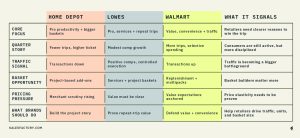
Q1 earnings from Home Depot, Lowe’s, and Walmart reinforced something important about the current retail environment:
Consumers haven’t stopped spending on the home.
But they are becoming much more selective about how they spend.
That distinction matters.
Because while larger discretionary remodel activity continues slowing under pressure from higher rates, inflation, and softer housing turnover, spending tied to maintenance, replacement, refresh, convenience, and smaller DIY behavior appears much more resilient.
And increasingly, those purchases may not all be flowing through traditional home improvement retail.
The Quarter Wasn’t About Growth. It Was About Traffic.
At a surface level, Q1 earnings across retail looked relatively stable.
Home Depot reported:
$41.8B in revenue
+0.6% comparable sales growth
transactions down 1.3%
continued pressure around larger discretionary projects
Lowe’s reported:
$23.1B in revenue
+0.6% comparable sales growth
strength in Pro, appliances, online, and home services
Walmart reported:
$177.8B in revenue
Walmart U.S. transactions up 3.0%
continued market share gains tied to value and convenience behavior
None of the retailers sounded alarmed.
But the tone across all three earnings releases was disciplined.
Execution-focused.
Controlled.
The biggest signal from the quarter wasn’t explosive growth.
It was how aggressively retailers are fighting for:
traffic
frequency
basket size
repeat visits
value perception
That matters because softer traffic in home improvement retail creates pressure elsewhere in the business.
If fewer shoppers are coming in for large remodel projects, retailers increasingly need:
basket builders
project-based purchases
add-on items
replenishment behavior
impulse-friendly merchandising
to offset the pressure.
That changes what merchants prioritize.
Big Projects Slowed. Smaller Projects Didn’t.
The environment still appears challenging for:
larger remodels
financing-heavy projects
housing-turnover-dependent categories
discretionary big-ticket spend
But categories tied to:
maintenance
repair
replacement
paint
seasonal
outdoor refresh
organization
smaller DIY projects
continue holding up better.
That’s an important distinction.
Consumers are still investing in their homes.
They’re simply becoming more cautious about:
financing
project scale
timing
overall basket commitment
And that creates a very different retail environment than the industry operated in over the last several years.
The consumer behavior is shifting from:
rebuild
to
maintain
from:
remodel
to
refresh
and from:
destination project trips
to
convenience-oriented replenishment behavior
Tax Return Season Didn’t Fully Rescue Big-Ticket Demand
Another important signal from Q1:
Even with tax return cashflow entering the market, larger discretionary home improvement purchases still appeared pressured.
That matters because Q1 is typically one of the stronger seasonal windows for:
project starts
deferred purchases
appliance replacement
outdoor upgrades
larger DIY activity
This year, however, the earnings commentary across retail suggested consumers remained cautious around bigger financed projects despite the seasonal tailwind.
Instead, shoppers appeared more willing to spend tax return dollars on:
maintenance
smaller refreshes
seasonal purchases
practical replacement items
value-oriented household spending
That creates an important watchout moving into Q2 and the back half of the year.
Because if larger-ticket categories struggled even during tax return season, those categories may face additional pressure as that temporary cashflow tailwind fades.
Especially in an environment where:
housing turnover remains soft
financing costs remain elevated
consumers continue prioritizing flexibility and value
retailers are competing harder for traffic
That dynamic likely increases pressure on merchants to:
drive more trips
expand baskets
promote project-oriented purchasing
improve attachment selling
scrutinize pricing more aggressively
For brands, this reinforces the importance of:
value communication
basket-building opportunities
project merchandising
pricing elasticity planning
promotional readiness
as retailers work harder to stimulate demand in a slower-growth environment.
Walmart Is Now Competing For More Home-Related Spend
This is where Walmart becomes increasingly important to the story.
Historically, many lower-ticket home purchases naturally flowed toward home centers.
Today, those trips appear much more fragmented.
Consumers increasingly purchase:
cleaning supplies
storage
organization
replacement items
outdoor accessories
small tools
paint accessories
maintenance products
through the same channels they already use for:
groceries
consumables
household replenishment
same-day delivery
ecommerce convenience
That creates a meaningful competitive shift.
Not because Walmart suddenly replaces Home Depot or Lowe’s.
But because consumers increasingly separate:
large project behavior
from
ongoing maintenance behavior
And Walmart is structurally advantaged in the second category.
Especially in an environment where:
convenience matters more
consumers remain value-sensitive
trips are consolidating
smaller baskets are increasing
discretionary projects remain pressured
Walmart’s transaction growth this quarter reinforced that shoppers are still actively spending, but increasingly through smaller, value-oriented purchasing behavior.
Pricing Pressure Is About To Intensify
This may be one of the most important implications for brands moving into the second half of the year.
Traffic pressure changes merchant behavior.
When traffic softens, retailers become more aggressive around:
pricing scrutiny
promotional expectations
elasticity conversations
value communication
basket expansion opportunities
That means brands should expect tougher conversations around:
pricing increases
promotional support
pack architecture
margin expectations
competitive pricing
especially inside categories tied to:
discretionary projects
premium positioning
slower-turning inventory
Retailers will increasingly prioritize products that help:
drive traffic
increase units
expand baskets
support project-based purchasing
improve perceived value
The brands best positioned for this environment will likely be the ones that understand how to build:
basket-friendly assortments
project-driven merchandising
multipack opportunities
impulse add-ons
clearer pricing stories
before merchants force those conversations later.
What This Means For Brands
The biggest takeaway from Q1 earnings isn’t that consumers stopped spending.
It’s that retailers are becoming more disciplined about how growth gets created.
Traffic pressure, softer big-ticket demand, and more value-sensitive shoppers mean merchants are increasingly focused on:
basket expansion
trip-driving categories
promotional efficiency
pricing elasticity
value communication
repeat purchase behavior
That creates new pressure on brands.
Retailers will increasingly prioritize products that help:
drive store visits
build baskets
support projects
improve conversion
justify pricing
create add-on purchase opportunities
Especially in categories where:
traffic has slowed
large projects remain pressured
consumers are delaying discretionary spend
That doesn’t mean retailers are abandoning bigger projects or premium categories.
But it does mean brands may need to work harder to explain:
why the product deserves its price
how it supports the overall basket
what role it plays in a project
how it helps retailers drive profitable trips
The brands best positioned for the second half of the year will likely be the ones that make purchasing easier, value clearer, and basket-building more natural.
Think:
project-based merchandising
multipacks
attachment selling
solution-oriented displays
stronger promotional architecture
clearer packaging communication
Because in a slower-growth environment, retailers aren’t just looking for products that sell.
They’re looking for products that help the entire trip become more productive.
Ready To Pressure-Test Your Pricing Strategy?
Sales Factory helps brands evaluate:
pricing tolerance
value perception
competitive positioning
shopper behavior
retail channel vulnerability
elasticity risk
before pricing pressure becomes a margin problem.
PRESSURE-TEST YOUR PRICING STRATEGY