


How Corona Tools Raised Their Average Sell Price by Optimizing the Retail Shelf

Corona Tools makes professional-grade hand tools for gardeners, landscapers, and construction pros that are sold in major home improvement retailers nationwide. But a confusing shelf experience was causing customers to consistently trade down at the point of purchase, and Corona needed to fix it.

The Challenge: Clarifying Value Across Price Tiers

Corona’s goal was clear: raise average sales price (ASP) to improve vendor performance at retail. But the existing shelf setup was working against them, with overlapping price points that actively pushed confused shoppers toward the cheapest available option. We focused our research on highly engaged customer segments (including the Pragmatic Pro, the Stylish Show-Off, and the Restless Romantic) to understand what truly drives their purchase decisions.
Overlapping Price Points

Overlapping Price Points

Without distinct pricing tiers, shoppers struggled to understand the added value of premium products.
Minimal Research

Minimal Research

Consumers typically do very little research beforehand, visit only one store, and rarely cross-shop.
The Trade-Down Effect

The Trade-Down Effect

The lack of clear differentiation caused confused shoppers to default to the cheapest available option.

The Solution: Targeted Research at the Point of Purchase

The Solution: Targeted Research at the Point of Purchase

We initiated targeted research at the point of purchase. Knowing that shoppers need to physically touch a product before buying, we used heat mapping and eye-tracking to capture exact shopper interactions. The data revealed a key insight: customers don’t enter the store with a specific price in mind. They have an acceptable range. And because of the Reference Pricing Effect, shoppers naturally gravitate toward the mid-price point when presented with a clear range of options. Using these insights, we built a three-part strategy:

  • Established Hierarchy
    A defined hierarchy of features and benefits to separate products into a logical value continuum.
  • Unified Nomenclature
    Standardized tool naming based on the terms consumers actually use.
  • Omnichannel Application
    Physical retail learnings applied directly to digital channels, e-commerce assets, and sell sheets.
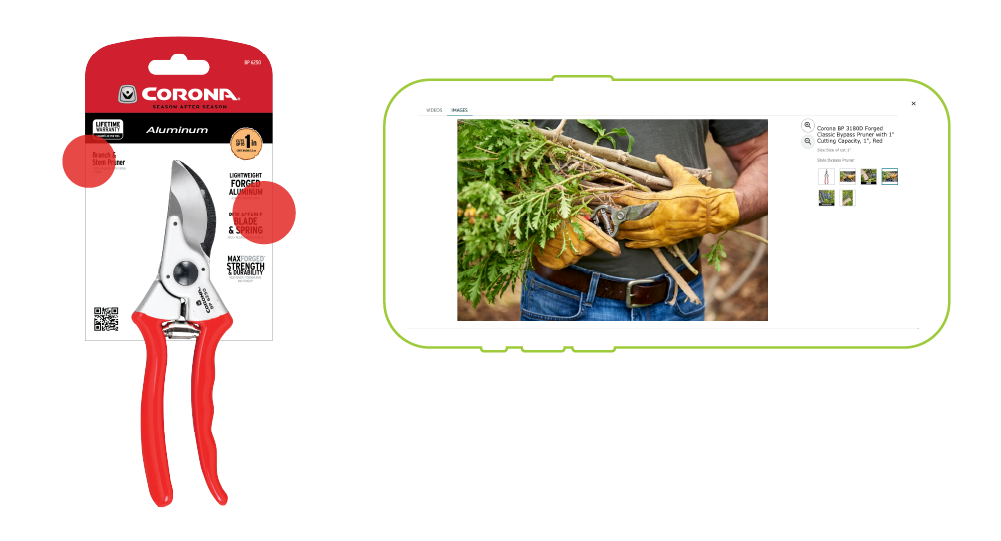

The Results: A $5 Lift in Corona's ASP

The Results: A $5 Lift in Corona's ASP

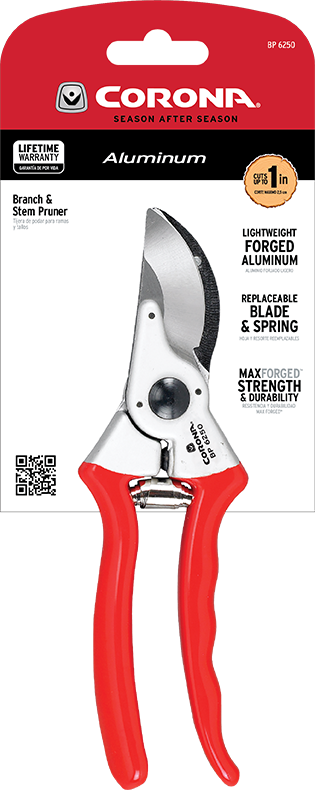
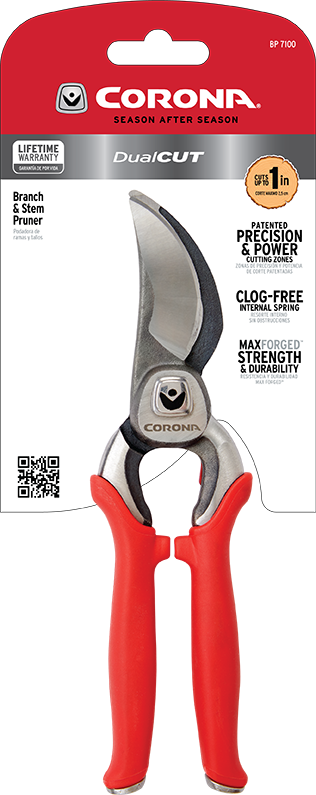
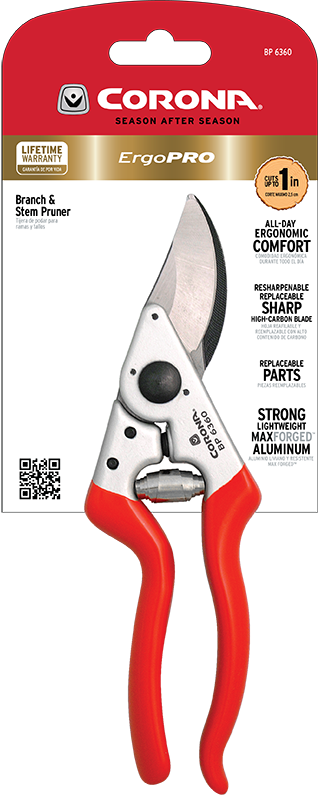
Packaging Architecture


By eliminating overlapping price points and building a clear good-better-best architecture, we stopped the trade-down effect and stretched retails to higher price points, raising Corona’s ASP by $5. The foundational shelf strategy carried through to all selling materials and created a cohesive experience, whether the customer was in the aisle or browsing online.

Good

Better

Best

Conclusion

Shopper behavior data is the key to an effective pricing strategy. By removing clutter and clearly communicating the step-up value of each tier, we empowered shoppers to make confident decisions quickly and delivered better outcomes for both the customer and the brand.